
Inside This Article
Don't miss out on our latest stories, insights, and updates.
Medicinal Plants of Iran: A Journey Through Nature’s Pharmacy
Introduction to Iran’s Herbal Heritage
Iran is one of the richest countries in the world when it comes to the variety and abundance of medicinal plants. With diverse climates, ranging from arid deserts to lush mountain valleys, Iran provides the perfect conditions for the growth of many valuable herbs. These plants have been used for centuries in traditional Persian medicine and are still widely recognized for their healing properties today.
Why Iran is a Natural Hub for Medicinal Plants
Unique Climate and Geography
The country’s geographic diversity—from the Alborz and Zagros mountains to the central desert plateau—creates microclimates that support the growth of hundreds of native medicinal species.
Ancient Knowledge and Practices
Iranian traditional medicine, known as “Tibb-e Sonati,” has documented the use of herbs in treating physical and mental ailments for over 2,500 years.
Popular Medicinal Plants in Iran
Saffron (Crocus sativus)
- Region: Khorasan Province (especially Nishapur)
- Region: Khorasan Province (especially Nishapur)
- Fun Fact: Iran supplies over 90% of the world’s saffron
Damask Rose (Rosa damascena)
- Region: Kashan and Fars
- Uses: Skin care, stress relief, and digestive health
- Did You Know? Damask rose petals are used to produce premium rosewater
Licorice Root (Glycyrrhiza glabra)
- Region: Western Iran (Lorestan, Ilam)
- Uses: Anti-inflammatory, liver support, sore throat treatment
Thyme (Thymus vulgaris)
- Region: Mountainous regions of Hamedan and Kurdistan
- Uses: Antiseptic, respiratory support, culinary herb
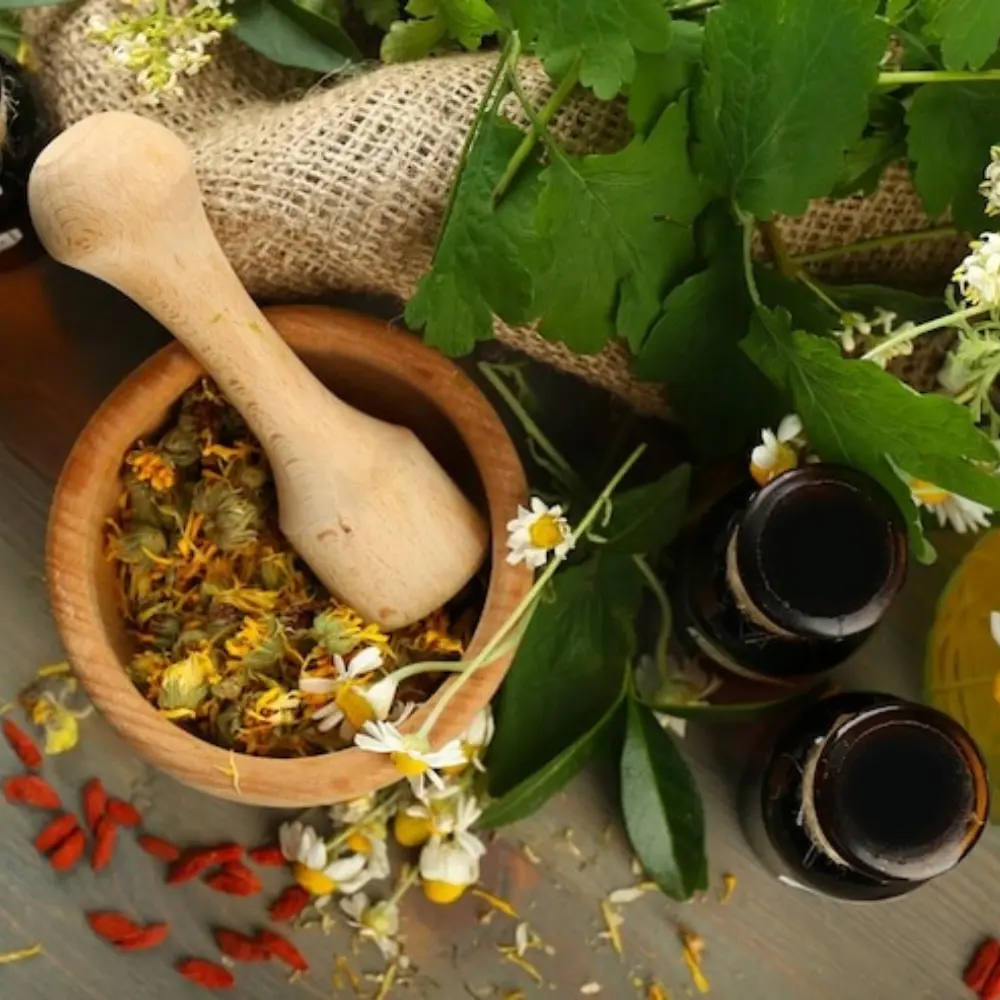
Chamomile (Matricaria chamomilla)
- Region: Hamedan, Zanjan
- Uses: Calming tea, anti-inflammatory, skincare
The Role of Medicinal Plants in Modern Industries
Cosmetics and Skincare
Essential oils and extracts from plants like lavender, rose, and eucalyptus are vital ingredients in natural skincare products.
Pharmaceutical Applications
Herbs such as galbanum and asafoetida are used for their therapeutic properties in alternative and complementary medicine.
Culinary and Nutritional Supplements
From cumin to mint, many medicinal herbs serve dual purposes as both healing agents and essential kitchen spices.
Sustainable Harvesting and Export
Iranian herbal producers and exporters are now focusing more on sustainable harvesting methods, quality control, and customized packaging to meet international standards. Brands like Norsage aim to introduce the unique botanical wealth of Iran to the global market with responsibility and precision.
Final Thoughts
Iran’s natural landscape offers more than just beauty—it holds centuries of healing wisdom rooted in its flora. Medicinal plants from Iran are not only effective but also deeply intertwined with culture, history, and tradition.

